
Top Tips for Photographing Wildlife in Wild Taiga
20.3.2026
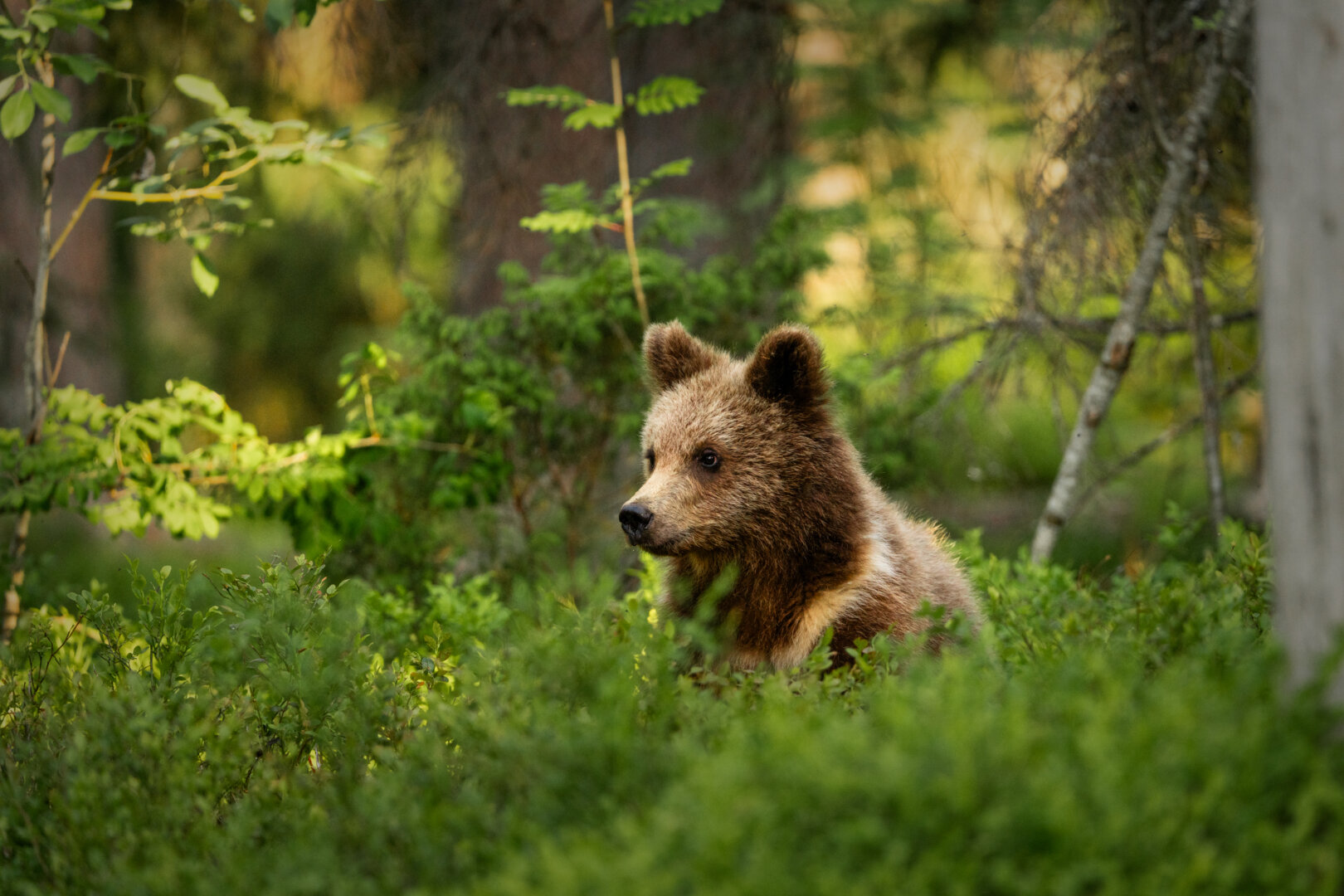
Wild Taiga is one of Europe’s most remarkable regions for wildlife enthusiasts. Its deep boreal forests and vast wetlands provide shelter for Finland’s most iconic species – from bears and wolves to rare birds and elusive forest dwellers. For photographers, both professionals and passionate hobbyists, the region offers a unique blend of accessibility and true wilderness. Here, nature decides the moment, and patience is often rewarded with unforgettable encounters.
1. The Big Icons: Bear, Wolverine & Wolf
The star species of Wild Taiga are undeniably the large carnivores.
Brown bears are most commonly observed from late April to early October, especially around established hides designed for ethical and low-impact watching.
Wolverines, elusive by nature, sometimes appear at close range, offering rare and dramatic photo opportunities.
Wolves remain more secretive, but hearing their distant calls – or capturing even a fleeting glimpse – is an experience few forget.
These encounters happen in natural settings, never staged, which makes every photograph a meaningful moment of genuine wilderness.
2. Birds of Prey and Forest Specialists
Wild Taiga is a paradise for bird photographers. White-tailed and golden eagles patrol the skies, while owls such as the great grey owl or Ural owl thrive in the forest landscape. In summer, wetlands come alive with migratory species, and early mornings offer the best light and movement. The sheer variety allows photographers to practice different techniques, from action shots to intimate portraits.
3. Seasonal Highlights Worth Chasing
Each season transforms the photographic possibilities.
Spring brings bright light, melting landscapes, and active wildlife.
Summer offers long daylight, magical nightless nights, and lush vegetation.
Autumn paints the forests in rich colors, creating perfect backdrops for wildlife portraits.
Early winter provides soft, blue-toned light and crisp conditions that highlight tracks and animal movement.
Knowing the season is key to planning a successful wildlife photography trip.
4. Tips for Ethical and Successful Wildlife Photography
• Respect the animals
Always keep distance and follow local guidelines. Use hides or designated observation spots to ensure minimal disturbance. Ethical photography results in better images – and protects the wildlife.
• Let the light guide you
Wild Taiga’s soft, northern light is a photographer’s asset. Early mornings and late evenings deliver the most atmospheric shots. Cloudy days are excellent for balanced, low-contrast portraits.
• Travel light but smart
Bring lenses suitable for both close and distant subjects (e.g., 300–600 mm). A tripod or monopod is essential for stability, especially during long hours in hides.
• Patience is your best skill
Wildlife photography in Wild Taiga is unscripted. Animals appear on their own terms. Waiting quietly – sometimes for hours – often leads to the most extraordinary captures.
• Make use of local expertise
Local guides and photography operators know animal behavior, best locations, and seasonal patterns. Their knowledge increases the chances of successful and safe encounters.
5. Capture the Whole Experience
While the thrill of photographing a bear or an eagle is unforgettable, don’t forget the atmosphere. Misty mornings, forest textures, the silence inside a hide, and the colors of dawn and dusk all tell the story of Wild Taiga. These details bring depth to your photo collection and allow you to share not only what you saw, but how it felt.